

IATA Study Backs Ghana Card for Travel | By Joojo Maapa
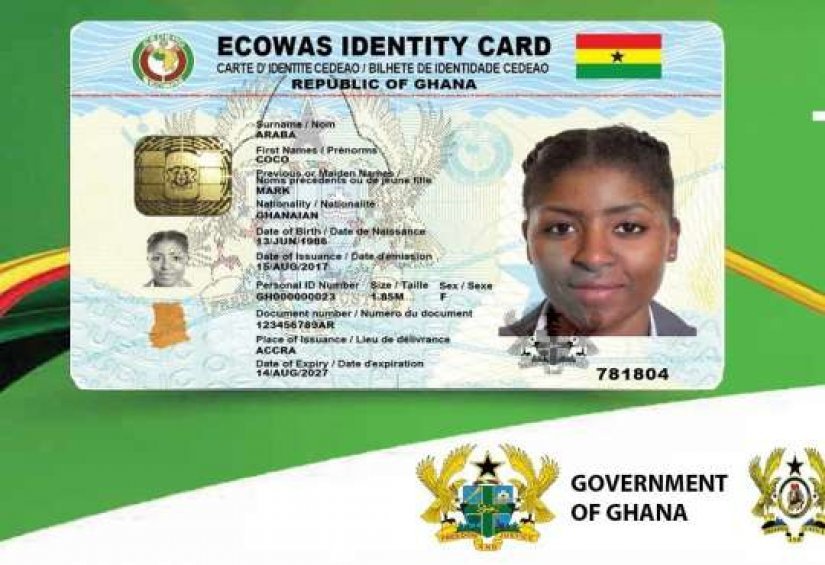
Ghana’s national digital identity car, the Ghana Card, has been positioned as catalyst for contactless air travel after IATA digital identity trials.
The International Air Transport Association (IATA) has confirmed that digital identity systems can enable fully contactless international travel, a development that could significantly elevate the role of Ghana’s national ID system, the Ghana Card, in aviation facilitation.
Results from multiple Proofs of Concept (PoCs) conducted across multiple locations demonstrated that passengers can travel seamlessly using biometric verification and digital identities stored in mobile wallets, eliminating the need for repeated paper document checks. The trials, conducted under IATA’s One ID framework, validated the interoperability of systems across airlines, airports, and governments.
Importantly, the findings propose a way for countries like Ghana to connect their existing national ID systems with global travel networks. Since the Ghana Card already includes biometric and identity verification features, experts suggest it could serve as the foundation for a future Digital Travel Credential (DTC), in line with international standards such as India’s Digi Yatra and mobile solutions like Apple Wallet and Google ID Pass.
According to Willie Walsh, IATA’s Director-General, the trials proved that “digital identity for international travel works securely and efficiently,” enabling passengers to share identity data in advance and move through airports using biometric checkpoints rather than manual document verification.
“For travelers to benefit from this important modernization, governments must accelerate efforts to issue and accept Digital Travel Credentials (DTCs), secure digital versions of passports. The result will be stronger security, smoother journeys, and greater efficiency,” Mr. Walsh added.
For Ghana, the implications are substantial. Integrating the Ghana Card into airport processes at hubs such as Accra International Airport could reduce congestion, shorten processing times, and enhance border security through pre-verified passenger data. It also positions Ghana to participate in a broader global shift toward interoperable digital identity frameworks.
However, IATA emphasizes that scaling this model requires government action. This includes establishing legal frameworks to issue DTCs, upgrading border control systems to accept foreign digital credentials, and collaborating internationally to ensure interoperability.
Early adoption could give Ghana a competitive advantage in West Africa’s aviation landscape, particularly as passenger volumes continue to rebound.
Ghana Card as a digital travel tool
In 2022, the Ghana Card was officially recognized as an electronic passport by the International Civil Aviation Organization (ICAO). This significant achievement allows the Ghana Card to be read and verified at ICAO-compliant borders worldwide.
The formal presentation of this recognition took place in February 2022 at the ICAO headquarters in Montreal, Canada. As a result, the Ghana Card can now be used as an e-passport at 44,000 airports across the globe and accepted in 197 borders worldwide. This unique biometric identification card enhances travel convenience, making it easier for Ghanaian citizens to journey internationally.
If implemented effectively, the Ghana Card could transition from a national identification tool into a strategic enabler of seamless, next-generation air travel.
IATA Study Backs Ghana Card for Travel | Send all editorial, marketing enquiries and press releases to AviationGhana.info@gmail.com