
By Prince Offeh
Ghana Moves to Review Mining Law and Tighten Mineral Regulation | The Government is reviewing the Minerals and Mining Act, 2006 (Act 703) to strengthen regulation, transparency and sustainable management of Ghana’s mineral resources.
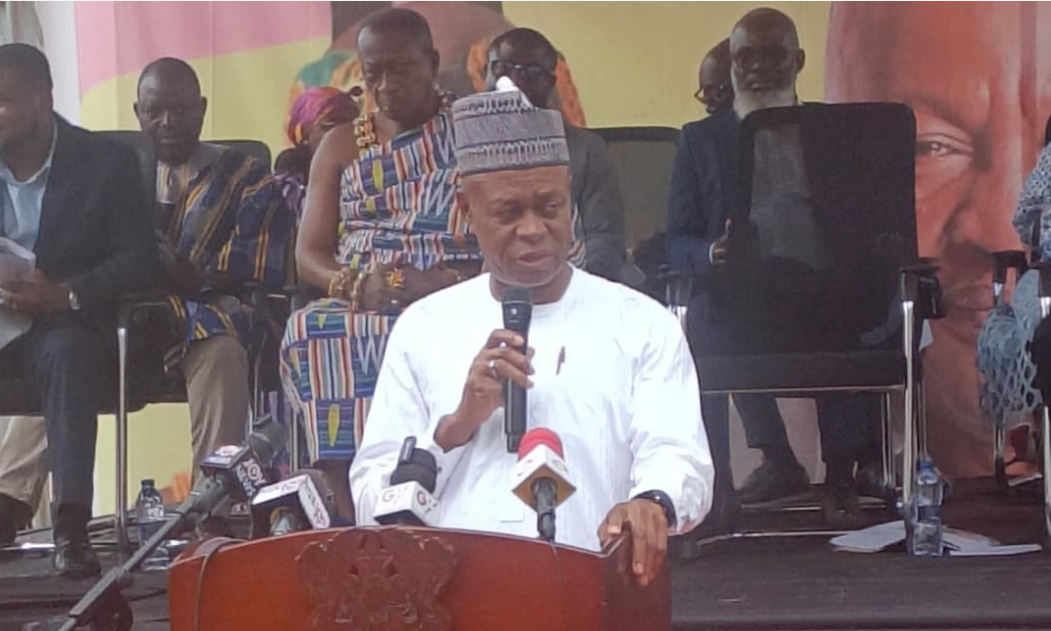
Deputy Minister for Lands and Natural Resources, Dr Yusif Sulemana, said the proposed reforms would modernise the mining sector and ensure that mineral wealth contributes more to national development.
Under the proposed changes, the maximum duration of mining leases would be reduced from 30 years to 20 years. Additionally, reconnaissance and prospecting licences would be merged into a single exploration licence.
The exploration period would also be limited to five years.
Dr Sulemana explained that the current licensing system can keep mineral concessions under the control of companies for extended periods. Consequently, other credible investors may struggle to access available opportunities.
He said shorter and consolidated licensing periods would improve efficiency. They would also create room for more investors to participate in the mining sector.
The Deputy Minister made the remarks during the commissioning of the Ashanti Regional Office of the Minerals Commission in Kumasi.
Government decentralises mining regulation
Meanwhile, the government is decentralising the Minerals Commission to reduce the concentration of regulatory services in Accra.
Dr Sulemana said the move would give regional offices the personnel and resources needed to regulate mining activities more effectively. It would also bring services closer to mining companies and other stakeholders.
The newly commissioned Ashanti office will oversee regulatory activities in the Ashanti Region and parts of the middle belt, including Bono and Ahafo. The location reflects Ashanti’s long-standing role in Ghana’s mining industry, particularly gold production.
Minerals Commission Chief Executive Officer, Isaac Tandoh, described the facility as a step towards more accessible and efficient mineral governance.
The seven-storey building will serve as a regional administrative and operational centre. It will house technical departments, client services, records management and other support units.
Furthermore, the facility will include specialised laboratory services and a public education museum.
A key feature is the decentralisation of licensing examination services by the Commission’s Inspectorate Division. As a result, applicants will no longer need to travel to Accra for the examinations.
According to Tandoh, the move will reduce costs and make the licensing process more accessible.
Overall, the reforms aim to improve accountability, attract credible investment and ensure Ghana manages its mineral resources more efficiently and sustainably.
Ghana Moves to Review Mining Law and Tighten Mineral Regulation | AviationGhana