Cocaine Scandal: How Compromised NACOC Officer Allegedly Cleared 46.7kg Shipment | By Dominick Andoh
The 46.7-kilogramme cocaine shipment seized by Lebanese authorities after being trafficked from Accra International Airport did not simply slip through Ghana’s airport security screening. The substance was reportedly detected, the luggage was flagged for inspection, and the two passengers were questioned. Yet, in a troubling turn of events, they were allowed to proceed towards check-in.
The sequence of events raises serious questions about the conduct of the Narcotics Control Commission (NACOC) officer on duty at Terminal 3 and the role of insiders who undermine Ghana’s fight against drug trafficking.
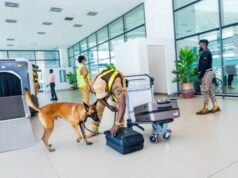
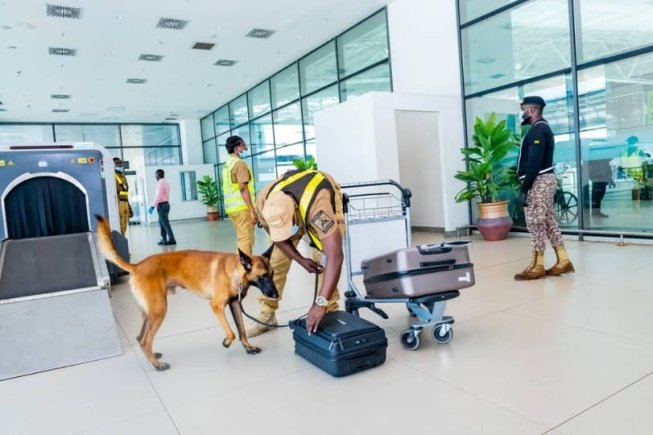
Information available to AviationGhana.com indicates that the initial screening officer, whose responsibility included identifying suspicious substances, detected the suspected narcotics during the departure screening process.
The officer flagged the bag for physical inspection. Upon examining it, he reportedly discovered a slab suspected to be cocaine.
Rather than allowing the matter to proceed through the appropriate narcotics enforcement and investigation procedures, the officer questioned the two passengers.
What happened next is particularly troubling.
The suspects reportedly made a telephone call while being questioned. Following the call, they exchanged telephone numbers with the NACOC officer. The passengers were subsequently allowed to continue to the check-in area.
That decision effectively neutralised the intervention of the very officer whose screening responsibility had identified the suspected drugs.
Lebanese authorities have reportedly indicated that the suspects paid $3,000 to an unnamed official at Accra International Airport to facilitate their passage. While the identity of the alleged recipient has not been independently established, the reported payment adds another dimension to the questions surrounding the incident.
For Ghana’s anti-narcotics campaign, the implications extend beyond the seizure itself. When officers entrusted with stopping suspected drug shipments allegedly become facilitators of their passage, the integrity of the entire screening system comes under threat.
The incident also exposes the vulnerability created by fragmented security arrangements at Accra International Airport, where multiple agencies operate under separate command structures.
AviationGhana’s industry contacts are calling for a unified airport security command, common operational identification, centralised duty registration and a designated commander responsible for all security personnel on each shift.
The fight against narcotics trafficking cannot succeed if the people positioned to stop shipments become the weakest link in the enforcement chain.
“At Ghana’s principal international gateway, detecting suspected cocaine must lead to enforcement action, not an exchange of telephone numbers and permission to proceed,” a source told AviationGhana.com.
Cocaine Scandal: How Compromised NACOC Officer Allegedly Cleared 46.7kg Shipment | send all enquiries and press releases to AviationGhana.info@gmail.com