










Energy Shock Threatens Global Food Security – IMF Warns | By Dominick Andoh
The heads of the International Monetary Fund, World Bank Group, and World Food Programme have raised alarm over the escalating economic and food security consequences of the ongoing conflict in the Middle East, warning of far-reaching global implications.
In a joint statement, the institutions said the war is already “upending lives and livelihoods” both within the region and globally, triggering one of the most significant disruptions to energy markets in recent history. Surging prices for oil, gas, and fertilizers, combined with transport and supply chain bottlenecks, are expected to drive a sharp rise in food prices, worsening food insecurity worldwide.
The three organisations emphasized that the burden will fall disproportionately on vulnerable populations, particularly in low-income, import-dependent economies.
Many of these countries, they note, are already grappling with limited fiscal space and high debt burdens, leaving governments with constrained capacity to cushion the impact on households.
Rising fuel costs are compounding the challenge, increasing production and transportation expenses across food systems. This, in turn, risks amplifying inflationary pressures and deepening existing inequalities, especially in regions heavily reliant on imported food and energy.
The institutions underscored the urgency of coordinated global action, noting that they are closely monitoring developments and stand ready to deploy all available financial and operational tools to support affected countries. This includes emergency financing, policy support, and targeted interventions to stabilize economies and protect the most at-risk populations.
They further indicated that ongoing efforts will focus not only on immediate crisis response but also on building long-term resilience. This includes strengthening food systems, enhancing energy security, and promoting sustainable economic recovery pathways.
The joint warning highlights growing concern among global financial and humanitarian leaders that the ripple effects of the Middle East conflict could intensify existing vulnerabilities, threatening progress toward economic stability, poverty reduction, and food security worldwide.
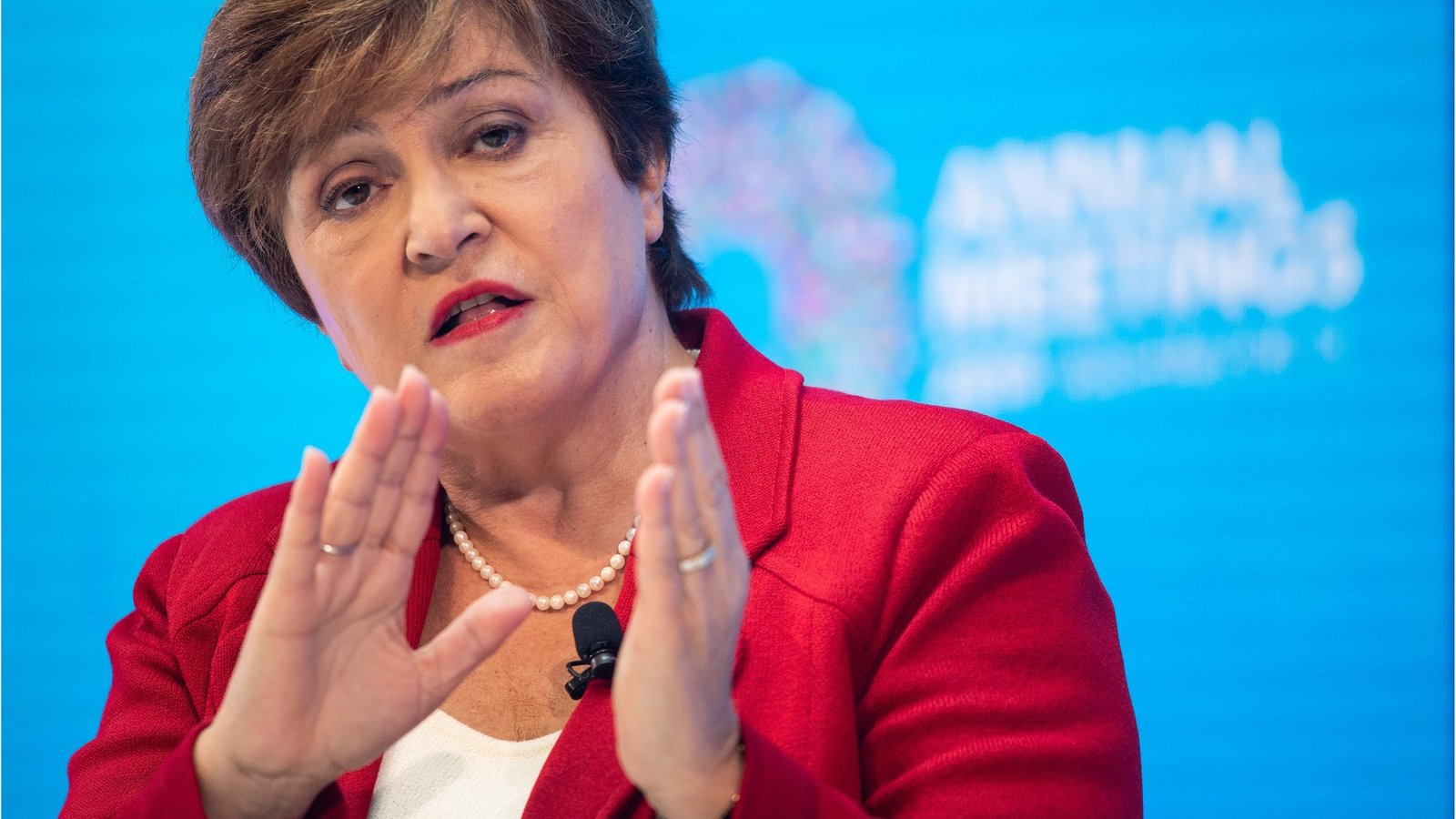
Kristalina Georgieva, Managing Director of the International Monetary Fund (IMF) | AviationGhana