
More Than 2,600 Students Graduate from the Pathways to Space Program in Africa This Year
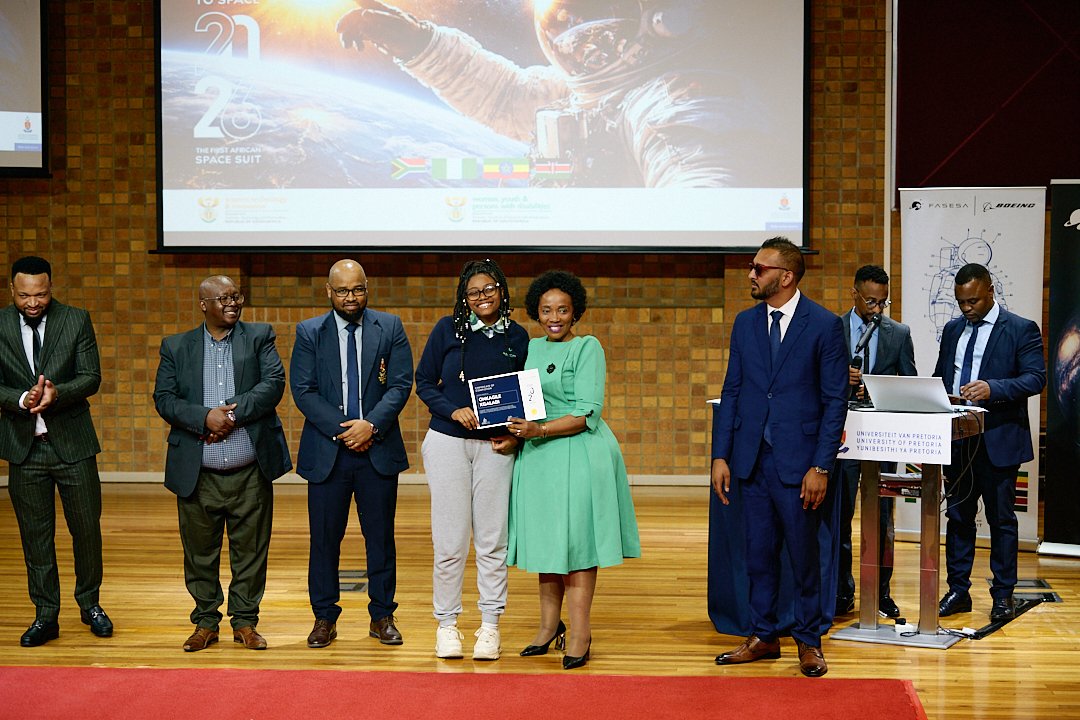
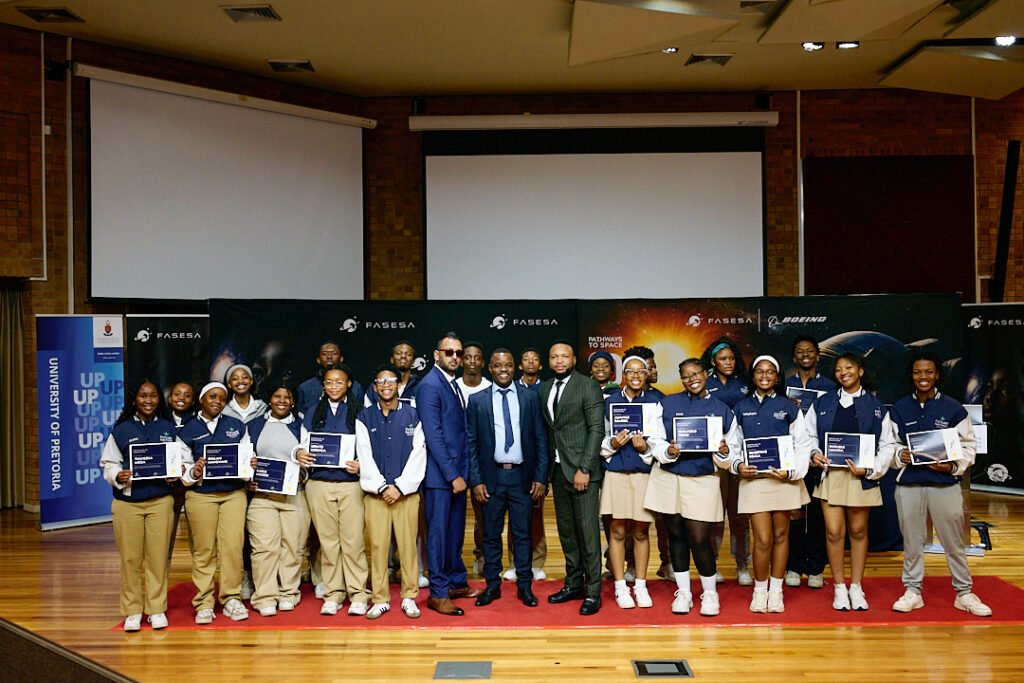
The Future African Space Explorers STEM Academy (FASESA) and Boeing celebrated the graduation of 2,626 students from the third annual ‘Pathways to Space’ program. Spanning Ethiopia, Kenya, Nigeria, and for the first time South Africa, this initiative continues to cultivate the next generation of aerospace leaders across the continent.
“The future of Africa’s space sector begins with the young people we train, equip and inspire today. Through our partnership with FASESA and Boeing, hundreds of Nigerian students have been given the opportunity to see beyond the boundaries of the classroom and imagine themselves as great space scientists, engineers, innovators and entrepreneurs”, said Dr. Matthew Olumide Adepoju, Director General and Chief Executive of the Nigeria National Space Research and Development Agency (NASRDA). “NASRDA is proud of this partnership and remains committed to ensuring that many more Nigerian young people have a chance to discover and explore opportunities in the ever-growing space ecosystem”.
Henok Teferra Shawl, Boeing managing director for Africa, said: “By pairing students across the continent with distinguished industry mentors and real aerospace engineering challenges, we are helping build a homegrown talent pipeline that will power Africa’s contributions to the global space economy for decades to come”.
Sean Jacobs, FASESA managing director, added: “Pathways to Space is not only preparing students to pass examinations and earn qualifications, but also equipping them to solve real‑world challenges and make meaningful contributions to society. The program is already producing remarkable success stories. One of our learners was selected to participate in Mission ShakthiSAT, an inspiring international all‑women‑led lunar mission, while another designed a parabolic‑grid radio telescope —demonstrating the innovation, technical excellence, and problem‑solving capabilities the program is cultivating across Africa”.
This year’s cohort included 832 students from Ethiopia, 50 from Kenya, 431 from Nigeria and 1,313 from South Africa. Over five months, participants explored basic principles of astronautics, systems engineering, human factors and materials science through project work and a high‑altitude balloon mission that reinforced their data‑analysis skills.
Virtual sessions with former astronauts and leading space professionals from the U.S. National Aeronautics and Space Administration (NASA) Johnson Space Center, Final Frontier Design and top universities deepened students’ technical knowledge and helped shape career aspirations. Guests included Professor Jeff Volosin, Chair of Astronautical and Space Engineering at Capitol Technology University in the U.S., and Dr. Andrew Abercromby, a biomedical engineer and former NASA Extreme Environment Mission Operations (NEEMO) aquanaut.
The 2026 curriculum also introduced a new design challenge: students prototyped spacesuit concepts and tested problem‑solving approaches aligned with real industry needs.
Angel Nduvho Tambani, a 16‑year‑old student from Dzata Secondary School in South Africa, said: “Pathways to Space has been an inspiring experience. It deepened my understanding of space science and engineering while developing my teamwork, problem-solving and critical-thinking skills. The program has strengthened my confidence and inspired me to dream bigger, showing that young people from any background can pursue careers in science and technology.”
Since its 2024 launch, ‘Pathways to Space’ has already inspired almost 3,500 students across Africa.
The program aligns with the growth of Africa’s space sector and the regional coordination led by the African Union’s African Space Agency. Governments and national space agencies across the continent are expanding Earth‑observation, remote sensing, communications and satellite services — areas that will increasingly depend on a steady pipeline of skilled young professionals.
More Than 2,600 Students Graduate from the Pathways to Space Program in Africa This Year | AviationGhana.com