

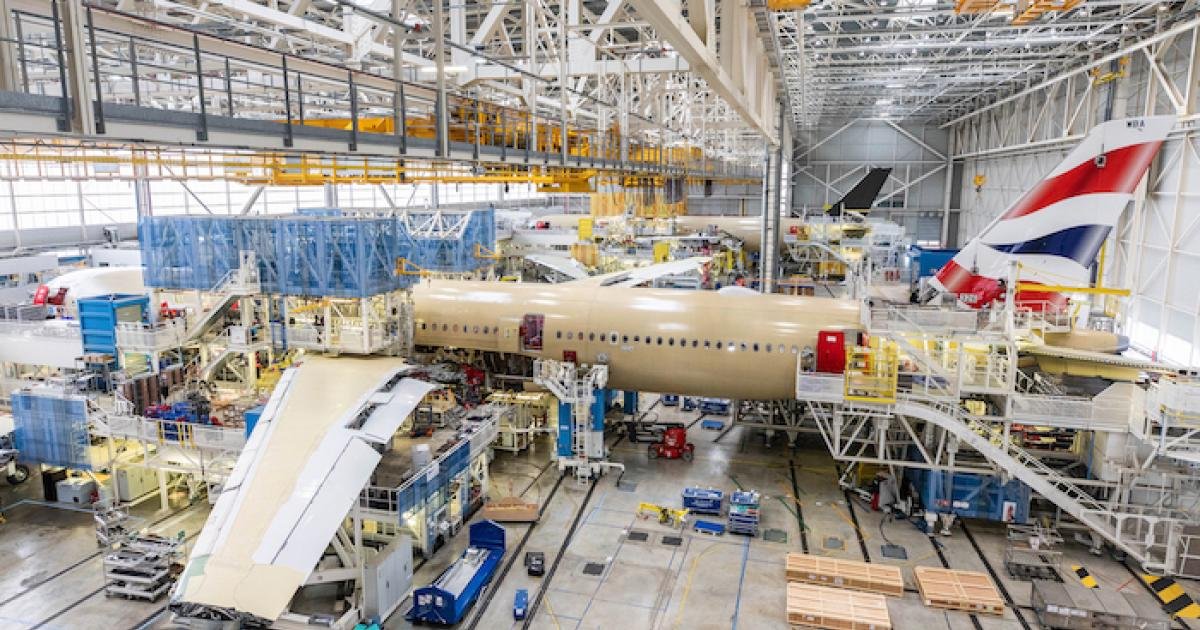
Airbus Moves to Reassert Control Over Key Supply Chain Assets | By Joojo Maapa
Airbus has completed a targeted acquisition of selected Spirit AeroSystems assets, a move aimed at tightening control over critical parts of its aircraft production as supply-chain resilience becomes a central business priority for the world’s largest planemaker.
The transaction, finalised in December 2025, covers six industrial sites across four countries and focuses exclusively on facilities that feed directly into Airbus programmes. Spirit retains most of its Boeing-related operations, while Airbus absorbs factories tied to its own growing backlog of commercial aircraft orders.
Though little known to passengers, Spirit AeroSystems has long been a cornerstone of modern aircraft manufacturing, producing fuselage sections, wings and structural components for major airframers. Airbus, in particular, has depended on Spirit for some of the most sensitive elements of its aircraft, including A350 fuselage barrels, A220 wings, and structures for the A320-family.
By bringing these activities in-house, Airbus is seeking to reduce supply risk that has plagued the aerospace industry since the pandemic. Labour shortages, logistics disruptions and financially strained suppliers slowed aircraft deliveries for years, reinforcing Airbus’s view that some production steps are too strategic to remain outside direct control.
The assets being absorbed include facilities in Kinston, North Carolina; Saint-Nazaire, France; Casablanca, Morocco; Belfast, Northern Ireland; and Prestwick, Scotland, alongside the transfer of A220 pylon production from Wichita, Kansas, to Airbus’s Saint-Éloi site in Toulouse. The sites are being rebranded under Airbus-owned entities, signalling permanent integration rather than interim oversight.
Beyond operational efficiency, the move also reduces Airbus’s exposure to US-centric supply risks, including trade tensions, export controls and the knock-on effects of disruptions in the American aerospace sector. It also strengthens Airbus’s industrial base as competition intensifies globally, particularly from China.
For airlines and passengers, the strategy is designed to deliver more predictable aircraft deliveries, improved quality control and greater production stability, helping airlines expand fleets on schedule and supporting smoother growth in global air travel.
Airbus Moves to Reassert Control Over Key Supply Chain Assets | AviationGhana.com |