
Ghana Needs US$37bn Annual Infrastructure Investment- World Bank | Ghana needs an estimated US$37 billion every year to close its infrastructure gap and support sustainable urban development, the World Bank has said.
The Bank stressed that greater investment in infrastructure, stronger local institutions and effective implementation of the National Urban Policy will be essential as Ghana’s urban population continues to grow.
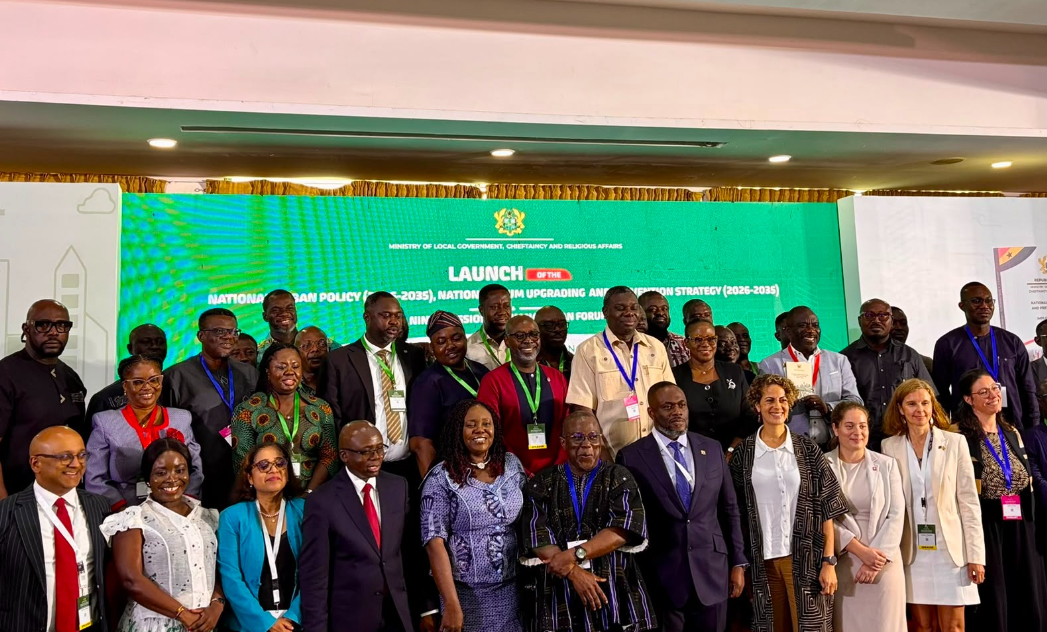
Speaking at the ninth Ghana Urban Forum in Accra, Madhu Raghunath, Urban Resilience and Land Practice Manager at the World Bank, said Ghana has become one of the most urbanised countries in Sub-Saharan Africa.
According to her, 57 per cent of the country’s population now lives in cities and towns. Moreover, the urban population is expected to more than double by 2050, increasing pressure on infrastructure and public services.
“There is a huge infrastructure gap. Ghana’s Infrastructure Plan (2019) estimates a staggering US$37 billion is needed annually to build the infrastructure that supports economic growth and improves quality of life by 2047,” she said.
Urban Challenges Demand Urgent Action
Raghunath identified flooding, inadequate housing, poor waste management and severe traffic congestion as some of the country’s most pressing urban challenges.
She noted that Accra alone records average annual flood-related asset losses exceeding US$20 million, making it one of the most flood-prone cities in Sub-Saharan Africa.
Housing also remains a major concern. The number of people living in slums increased from 5.5 million in 2017 to 8.8 million in 2020, highlighting the need for affordable housing and better urban planning.
Meanwhile, poor waste management continues to threaten public health and the environment.
According to the World Bank, many urban households still lack access to formal waste collection services. Consequently, 38 per cent dispose of waste at uncontrolled dumpsites, while 23 per cent rely on open burning, contributing to air pollution and climate change.
Integrated Investment Key to Sustainable Cities
Raghunath urged Ghana to adopt an integrated approach to urban development by investing in transport, electricity, housing and waste management simultaneously.
She also encouraged the government to strengthen public-private partnerships, expand municipal financing and build the capacity of local institutions to improve service delivery.
In addition, she said well-planned cities would reduce business costs, improve productivity and create more opportunities for young people and informal workers.
“Getting urbanisation right is central to Ghana’s jobs and productivity agenda,” she said, adding that efficient cities connect businesses with workers, improve mobility and expand access to essential services.
Government Launches National Urban Policy
During the forum, the Government officially launched the National Urban Policy, which aims to promote inclusive urban development, affordable housing, climate resilience, improved mobility and stronger citizen participation.
Ahmed Ibrahim, Minister for Local Government, Chieftaincy and Religious Affairs, said the policy would improve living conditions in informal settlements while preventing the emergence of new slums.
He also urged Metropolitan, Municipal and District Assemblies to integrate the policy into their development plans and budgets.
According to the Minister, successful implementation will determine whether Ghana can build resilient, inclusive and sustainable cities that support long-term economic growth.
Ghana Needs US$37bn Annual Infrastructure Investment- World Bank | AviationGhana