







Deepened connectivity in Lagos threatens Accra’s West Africa Hub Ambition | By Dominick Andoh
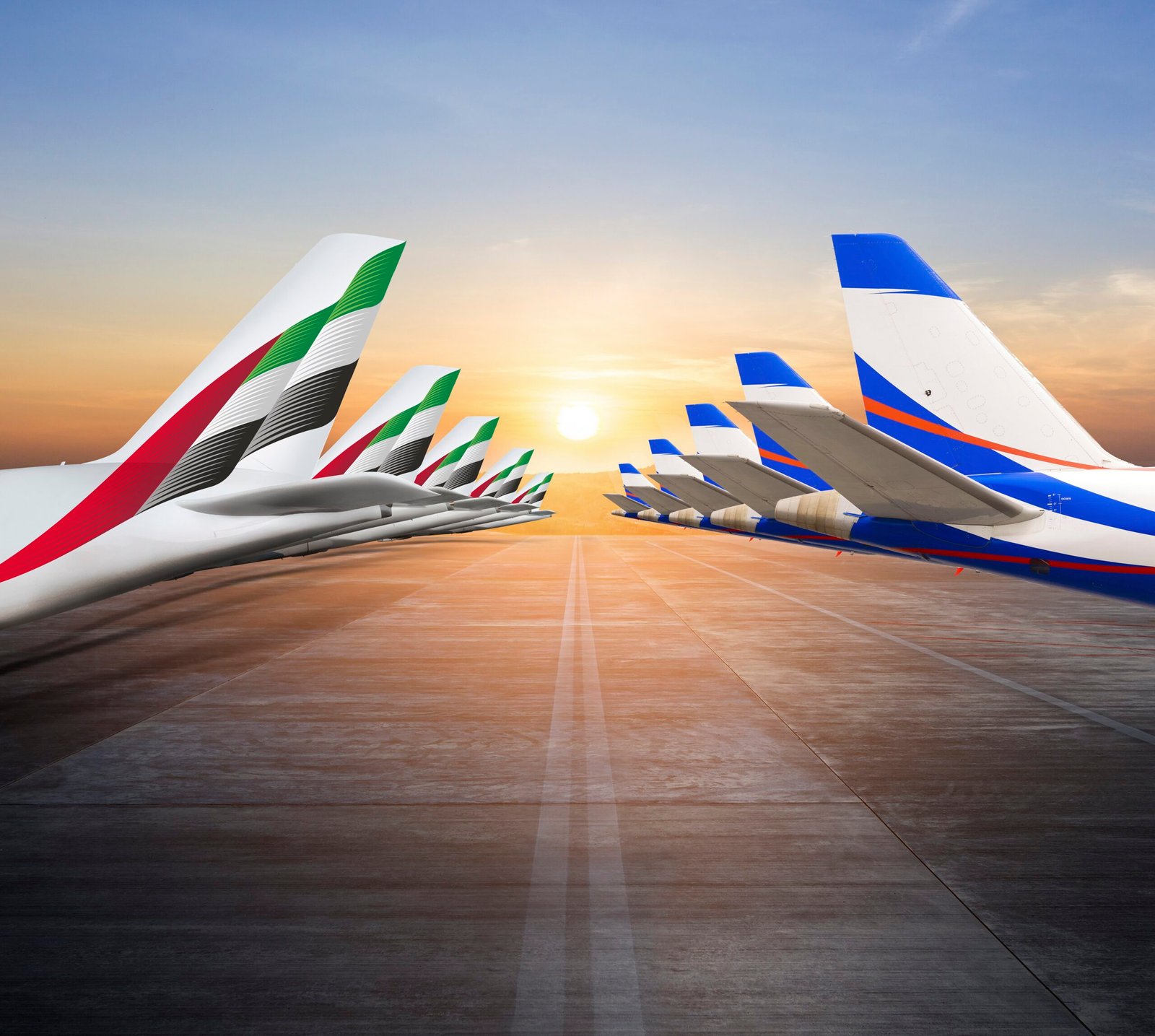
The activation of an expanded bilateral interline agreement between Emirates and Air Peace marks a significant shift in West Africa’s aviation connectivity map, one that poses a clear strategic challenge to Ghana’s long-stated ambition to position Accra as the aviation hub of the sub-region.
Under the enhanced partnership, Emirates passengers can now seamlessly connect beyond Nigeria to key West African cities, including Banjul, Dakar, Freetown, and Monrovia, via Air Peace, while Air Peace passengers gain access to Emirates’ global network through Dubai and onward to major markets such as London Heathrow, Gatwick, and Stansted. The arrangement builds on Emirates’ already strong Lagos operation and effectively turns Nigeria into a powerful gateway for both intra-African and intercontinental travel.
For Ghana, which has invested heavily in Kotoka International Airport (KIA) as a preferred hub, the implications are significant. Ghana’s hub strategy is anchored on infrastructure upgrades at major airports, a relatively liberal aviation policy environment, and the country’s geographic advantage. However, hub status is ultimately driven by connectivity, airline partnerships, frequency and passenger choice, not infrastructure alone.
The Emirates–Air Peace deal strengthens Lagos as a dominant transfer point in West Africa, particularly for passengers originating from Nigeria’s vast domestic market and neighbouring countries.
With Air Peace feeding traffic from over 13 Nigerian cities and now extending connections to Francophone and Anglophone West Africa, the partnership creates scale that Accra currently must work to match. This is compounded by strong demand on the Nigeria–UK corridor, which the agreement explicitly targets, offering passengers alternative routings that bypass Ghana entirely.
From a competitive standpoint, the deal also undercuts Ghana’s reliance on foreign carriers to anchor its hub aspirations. While Accra hosts major global airlines, there is the absence of a strong, national carrier capable of providing sustained feed traffic into KIA.
In contrast, Nigeria is leveraging Air Peace as a regional connector while pairing it with one of the world’s most powerful global airlines.
The broader risk for Ghana is traffic leakage. Passengers from Sierra Leone, Liberia and other parts of West Africa may increasingly find Lagos-Dubai or Lagos-London routings more attractive in terms of frequency, pricing and network reach. Over time, this could weaken Accra’s competitiveness as a preferred transfer point in West Africa.
The Emirates–Air Peace partnership does not diminish Ghana’s progress, but it raises the stakes. If Ghana is to realise its aviation hub vision, it will require deeper airline partnerships, more aggressive route development, and a coherent national aviation strategy that matches connectivity with ambition, before Lagos consolidates its lead as West Africa’s primary aviation gateway.
Deepened connectivity in Lagos threatens Accra’s West Africa Hub Ambition | Editorial enquiries to AviationGhana.info@gmail.com | Marketing & Adverts Enquiries WhatsApp: +233 24 3376878 |AviationGhana