

Domestic Airfares Unlikely to Fall Soon Despite Tax Relief
- Spare-parts exemption will take time to feed through to ticket prices
- New Domestic airlines needed to drive down prices
By Dominick Andoh
Ghana’s decision to abolish duties and taxes on imported aircraft spare parts for domestic airlines is unlikely to lead to an immediate reduction in domestic airfares, as industry conditions remain characterised by limited capacity and strong passenger demand.
President John Dramani Mahama recently announced that he had assented to amendments removing duties and taxes on aircraft spare parts for domestic operators, a long-standing demand from the industry intended to reduce operating costs and improve airline sustainability.
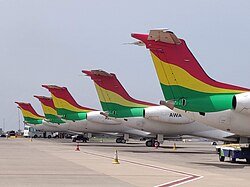
The immediate impact on ticket prices, however, is expected to be limited. Ghana’s scheduled domestic market remains relatively concentrated, with Africa World Airlines (AWA) and PassionAir accounting for the bulk of scheduled operations.
High demand, fuel costs, taxation and other operating expenses have contributed to persistently elevated domestic fares
A key reason the tax concession may not quickly translate into cheaper tickets is the timing of the measure.
The two main operators are understood to have already procured and stockpiled spare parts for their maintenance requirements through the remainder of the year. Those components were purchased under the previous tax regime, meaning the immediate maintenance benefit from the new exemption will be limited.
Mr. Sean Mendis, African aviation expert and CEO of Seanmendis.com, believes that as a result of existing stockpiles, airlines are unlikely to suddenly reduce fares simply because their future parts purchases have become cheaper.
“I doubt you will see any changes in fares in the short term. The financial impact of this won’t be felt for at least a year or more. Airlines already have their stockpiles of spares imported for everyday use,” Mr, Mendis told AviationGhana
Competition holds the Key
Lower maintenance costs in the long run should gradually improve airline cash flow and provide operators with greater room to invest in fleet availability, maintenance and additional frequencies.
The arrival of additional scheduled operators could have an even greater effect on fares. Ghana’s domestic market has for several years been dominated by AWA and PassionAir, although new operators have been exploring entry into the market.
More airlines competing for passengers would increase available seats and give travellers greater choice, creating stronger pressure on existing operators to compete on price, frequency and service.
Mr. Mendis adds that in the short term, the bigger constraint remains available seat capacity relative to passenger demand, for which reason fares will remain elevated “until there is competition to drive it down.”
The real dividend for passengers is likely to emerge over time, once tax-free replacement parts begin feeding into airline costs, aircraft availability improves and new competitors add capacity to Ghana’s domestic air transport market.
Domestic Airfares Unlikely to Fall Soon Despite Tax Relief | Send all press releases and advertising enquiries to AviationGhana.info@gmail.com