

Ghana Ends Spare Parts Tax on Domestic Airlines | By Dominick Andoh
President John Dramani Mahama has signed legislation exempting domestic airlines from taxes on imported aircraft spare parts, delivering a major policy concession to Ghana’s struggling but strategically important domestic aviation industry.
The measure removes one of the long-standing cost pressures confronting local carriers, which have repeatedly called for tax relief on aircraft parts to improve their financial sustainability and create room for more competitive airfares.
Ghana’s domestic market is currently dominated by Africa World Airlines (AWA) and PassionAir, with both carriers providing vital links between Accra and cities including Kumasi, Tamale, Takoradi, Wa and Sunyani.
The two main domestic airline operators had petitioned President Mahama for targeted incentives, citing high taxation on spare parts, aircraft import duties, fuel costs and limited access to financing as constraints on expansion.
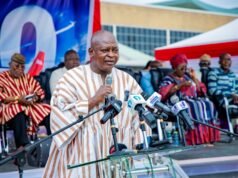
The President announced the latest intervention during the sod-cutting ceremony for the new multi-purpose car park and airport hotel complex at Terminal 3 of the Accra International Airport.
“I have assented to the Ghana Customs Act. In that Act, we have removed duties and taxes on aircraft spare parts for domestic airlines. We want to make domestic airlines safer, so if they bring in any parts to maintain their aircraft, they will come in duty- and tax-free,” President Mahama said.
The abolition of the taxes addresses a concern that has persisted in Ghana’s aviation industry for more than a decade.
Aircraft maintenance is one of the most unavoidable costs for an airline, with components often sourced from international markets because of the limited scale of local aviation manufacturing and maintenance capabilities.
For domestic airlines, the exemption could improve cash flow by lowering the landed cost of critical components required to keep aircraft operational.
A reduction in maintenance-related costs could, over time, give airlines greater flexibility to expand fleets, increase frequencies and strengthen services to regional airports.
For passengers, the potential benefit is even more significant. Domestic carriers have argued that lowering operating costs could create room for more competitive fares, particularly on routes where road transport remains the dominant alternative.
Ghana Ends Spare Parts Tax on Domestic Airlines | Send all press releases and advertising enquiries to www.aviationghana.com