
AI, Biometrics to Power 10 Billion Air Passenger Journeys by 2050 –SITA | By Dominick Andoh
The global aviation industry is embracing artificial intelligence (AI), biometric identity systems and digital technologies to prepare for an era in which airlines are expected to carry up to 10 billion passengers annually by 2050, according to the latest SITA Impact Report 2025.
The report paints a picture of an aviation industry increasingly relying on technology and not expensive airport expansion to meet surging travel demand, a development that could significantly improve the passenger experience for travellers from Ghana, West Africa and the African diaspora.
According to the International Air Transport Association (IATA), global passenger traffic is expected to reach 8 billion passengers annually within the next 20 to 25 years, before approaching 10 billion by mid-century. Meeting that demand will require airports, airlines and governments to become smarter rather than simply bigger.
AI and Biometrics Reshaping Air Travel
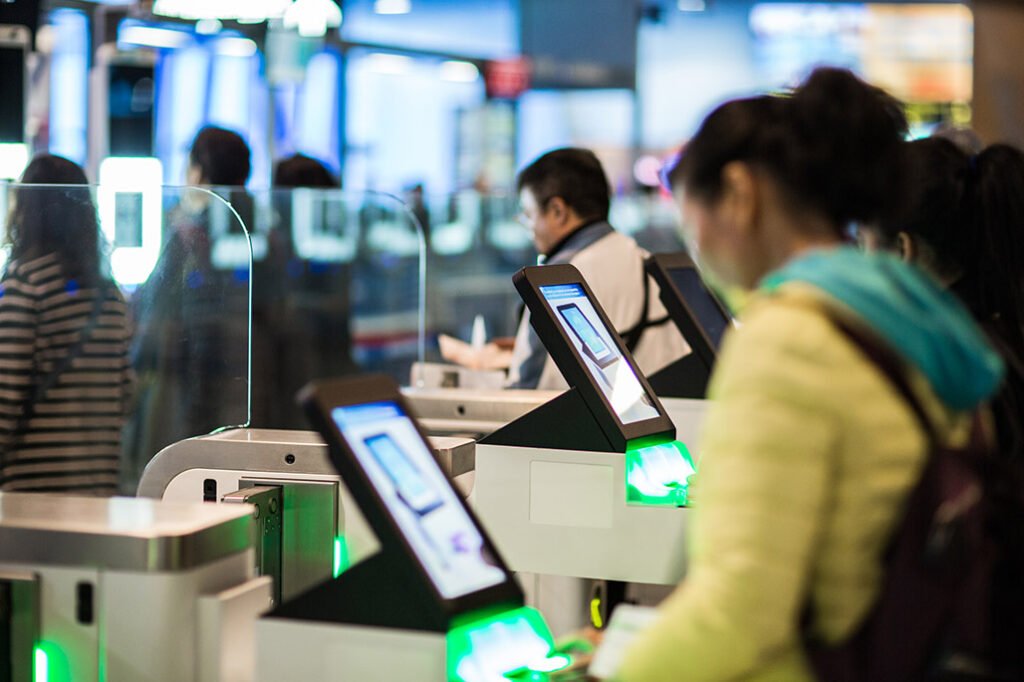
SITA says airports around the world are already deploying advanced digital technologies that dramatically reduce passenger processing times.
In Aruba, for example, passengers who complete digital pre-clearance can now pass through border control in as little as eight seconds, representing a 78% reduction in processing time through the use of biometric verification and digital travel credentials.
More than 271 million travellers each year now undergo AI-supported risk assessments before arriving at border checkpoints, with most assessments completed in under four seconds.
For African airports seeking to position themselves as regional hubs, including the Accra International Airport in Accra, Murtala Muhammed International Airport in Lagos, and Blaise Diagne International Airport in Dakar, such technologies could help ease congestion while improving security and passenger convenience.
Smarter Operations, Lower Costs
Artificial intelligence is also transforming airline operations. SITA’s AI-powered OptiFlight platform processed 2.9 million flights during 2025 for 59 airlines, helping carriers save 127,732 tonnes of aviation fuel and reducing carbon emissions by more than 403,000 tonnes of CO₂ through more fuel-efficient climb and cruise profiles.
Meanwhile, airports including Toronto Pearson and Abu Dhabi International Airport are using AI-driven airport management systems to reduce aircraft turnaround times, improving operational efficiency throughout the day.
For passengers, lost baggage may soon become far less common. SITA reports that airlines participating in its partnership with Apple, and now Google, have reduced permanently lost baggage by 90% when passengers share the location of baggage fitted with Apple AirTags through the SITA WorldTracer system.
Reducing Delays
The report also highlights the growing role of AI in tackling one of aviation’s biggest operational challenges—weather disruption.
A 2025 trial conducted with France’s air navigation service provider demonstrated that providing controllers with the same real-time weather intelligence available to pilots reduced weather-related delays by up to 65%, saving more than 105,000 minutes of delays over just three weeks of operations.
Opportunities for Africa
For Africa, where governments are investing heavily in airport modernisation and digital border management, SITA’s findings underline the importance of technology in supporting future growth without requiring massive infrastructure expansion.
Ghana, which is pursuing its ambition of becoming a leading aviation hub in West Africa, stand to benefit from adopting digital passenger processing, biometric border control and AI-enabled airport operations. These technologies can increase airport capacity, improve security, reduce waiting times and enhance the overall passenger experience while supporting the objectives of the African Continental Free Trade Area (AfCFTA) through more seamless movement of goods and people.
Technology Driving Aviation’s Future
Commenting on the report, David Lavorel, Chief Executive Officer of SITA, said the industry’s challenge is no longer simply building more airports but making existing infrastructure significantly more efficient.
“With passenger numbers heading toward 10 billion a year by 2050, the question is unavoidable: how do we move twice as many travellers without doubling our infrastructure?” he said. “The answer is increasingly technology, with airlines, airports, governments and industry partners working together to power the future of air transport.”
The report also reflects SITA’s own continued growth, with the aviation technology provider reporting US$1.71 billion in revenue in 2025, alongside ongoing investments in research, innovation and sustainability initiatives aimed at supporting the next generation of global air travel.
AI, Biometrics to Power 10 Billion Air Passenger Journeys by 2050 – SITA | Send all inquiries and press releases to AviationGhana.info@gmail.com | AviationGhana