

Ghana Tightens Airport Security Against Drug Smuggling | By Dominick Andoh
Ghana is stepping up efforts to combat international narcotics trafficking with the deployment of new drug detection technology at Accra’s Kotoka International Airport, as authorities seek to disrupt criminal networks using the country as a transit and export point to Europe, North America and other global markets.
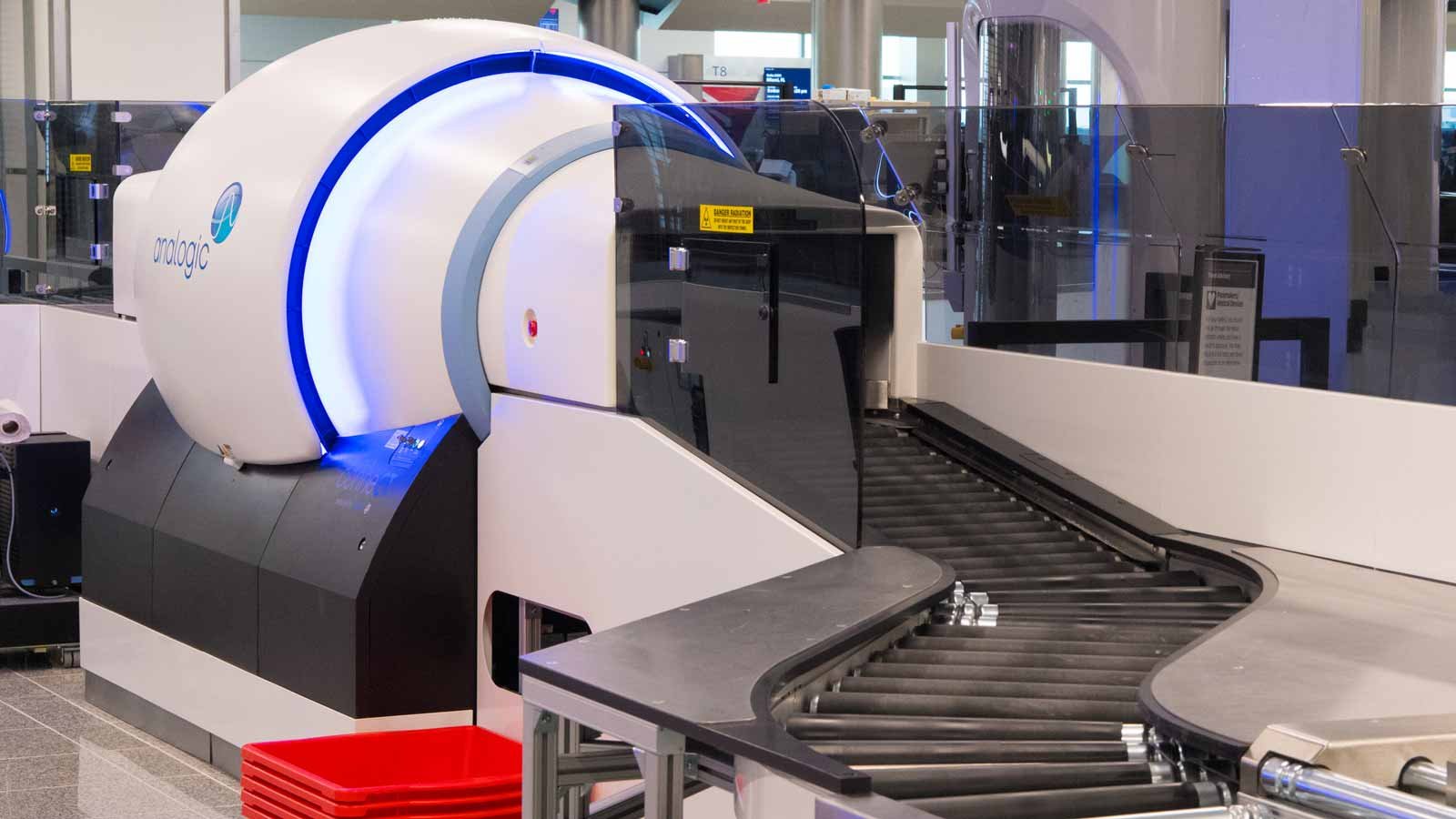
The Narcotics Control Commission (NACOC) says a new generation of mobile drug detection equipment and replacement body and baggage scanners will become operational at the airport from August 2026 under a partnership between the governments of Ghana and the Kingdom of the Netherlands.
The investment comes as Ghana intensifies its response to transnational organised crime following the recent arrest of an alleged drug kingpin connected to the seizure of approximately 320 kilogrammes of methamphetamine concealed in a charcoal shipment intercepted in Australia.
Modernising Airport Security
Speaking during the 2026 International Day Against Drug Abuse and Illicit Trafficking celebrations in Accra, NACOC Director-General Brigadier General Maxwell Obuba Mantey said tdrug-detection equipment and replacement body and baggage scanners will become operational at the airport from August 2026,he existing intrusive scanners at Kotoka International Airport had been out of service for more than three years, creating an operational gap in airport security.
“The Government of Ghana has provided mobile drug detection scanners to NACOC… and in collaboration with the Government of the Kingdom of the Netherlands, it is undertaking the full replacement of the body and baggage intrusive scanners at the Accra International Airport,” he said.
The upgraded systems are expected to significantly enhance passenger and baggage screening, improving the detection of narcotics concealed in luggage, cargo and on individuals.
In addition, the Ghana Airports Company Limited (GACL), the airport operator, is set to deploy 3D Scanners at Accra International Airport to better screen passengers and prevent contraband goods from passing through our airports. The 3D scanners will effectively eliminate the need for passengers to remove their shoes or remove laptops and other gadgets from their bags during departure screening.
Responding to a Regional Threat
Security experts have long warned that West Africa has evolved into a major transit corridor for international drug trafficking because of its extensive coastline, strategic geographic location between Latin America and Europe, and vulnerabilities including weak border controls and organised criminal networks.
Over the past two decades, traffickers have increasingly exploited the region’s airports and seaports to move cocaine, methamphetamine and other illicit drugs to lucrative markets in Europe and North America.
NACOC has acknowledged that Ghana is no longer merely a transit point but risks becoming a distribution hub if enforcement efforts are not strengthened.
Building Enforcement Capacity
Beyond the new airport technology, the Commission is expanding its nationwide operational footprint.
Brig. Gen. Mantey disclosed that NACOC’s district operational commands have increased from fewer than 10 to 77 offices across all 16 regions, supported by 27 newly acquired operational vehicles to improve intelligence gathering and field operations.
The Commission is also investing in long-term institutional capacity by establishing a dedicated NACOC Training School on a 100-acre site in the Akwamu Traditional Area.
Ghana Tightens Airport Security Against Drug Smuggling | Send all inquiries and press releases to AviationGhana.info@gmail.com | AviationGhana