








Strong Collaboration needed to make new EU border system work — SITA | By Dominick Andoh |
The European Union (EU) has officially launched its long-awaited Entry/Exit System (EES) for Third Country Nationals (TCNs), marking one of the most significant transformations in European border management in decades.
The new regulation, which introduces biometric checks at all external EU borders, will be implemented over the next six months.
The EES replaces traditional passport stamping with automated systems that record biometric and travel data, including fingerprints and facial recognition, to verify the identity and travel history of non-EU nationals entering or exiting the Schengen Area.
Commenting on the rollout, Andy Smith, Director for Borders at SITA, said the system represents a “major operational shift” that will require strong collaboration between border authorities, airports, and technology providers.
“Border officers now need to collect biometric data, check passports, and register Third Country Nationals directly into a central EU system. For airports, this means managing new passenger flows and making sure these checks don’t cause longer queues or missed connections, especially at peak times,” Smith explained.

He noted that each EU Member State must align with operational guidance from Frontex and technical standards set by EU-LISA, the EU agency managing large-scale information systems in the area of freedom, security, and justice.
“It’s a complex transition that requires preparation, coordination, and reliable EES technology to keep things moving smoothly,” he added.
Mr. Smith emphasized the importance of clear communication between governments, airports, and travellers, particularly during the phased rollout period when some airports may go live before others.
“Communicating rollout plans early and clearly, and encouraging the use of EES pre-registration apps where available, will be key to minimizing confusion and ensuring smoother journeys,” he advised.
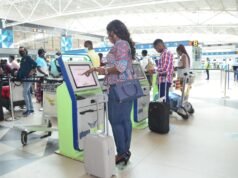
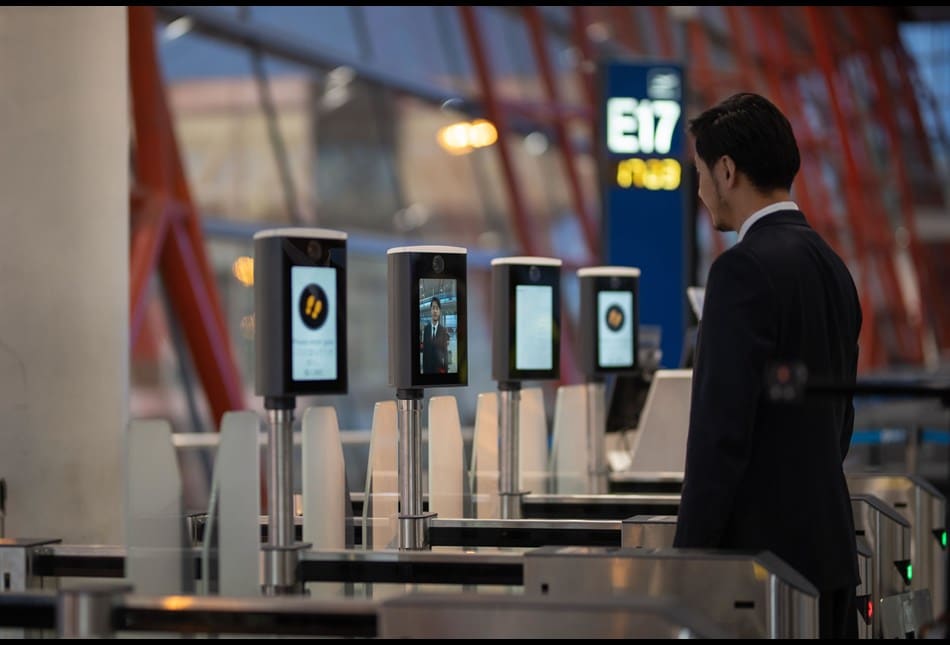
SITA’s EES border management system, already used by over 75 governments worldwide, enables fast biometric registration through self-service kiosks and eGates, reducing queues and freeing officers for critical checks.
Smith concluded that the EES reflects a broader global trend toward biometric border management, which aims to enhance both security and traveler convenience.
“By preparing early, using proven technology, and communicating clearly with the entire travel ecosystem, governments can reduce disruption while enhancing security. Our role is to support them every step of the way,” he said.
Strong Collaboration needed to make new EU border system work — SITA | AviationGhana