

Ghana’s Domestic Airports Remain Unprofitable Despite 6% Passenger Growth – GACL | By David Kwakutse
Ghana’s domestic airports are yet to generate enough revenue to cover their operating costs, exposing the growing financial burden on the Ghana Airports Company Limited (GACL) as it continues to fund the country’s expanding aviation infrastructure network.
The disclosure highlights the structural challenge of balancing the commercial sustainability of its operations with government, the sole shareholder’s ambitions to expand air transport infrastructure and connectivity across the country.
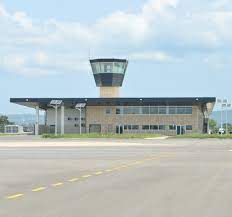
GACL has invested in several regional airport facilities, including Prempeh I International Airport in Kumasi, Tamale International Airport, Wa Airport, Sunyani Airport and Ho Airport, in addition to its flagship Accra International Airport.
However, the investments have yet to translate into sufficient commercial returns, with domestic operations and regional airports continuing to operate below profitability thresholds.
Managing Director Mrs Yvonne Nana Afriyie Opare said GACL continues to finance much of the infrastructure development and associated public services from internally generated funds, placing pressure on the company’s liquidity position.
The company also has investment interests in aviation services provider Aviance, a forex bureau and the Aviation Social Centre, giving it exposure to activities beyond conventional airport operations.
“Domestic business operations and all other regional airports are not yet profitable,” she said.
Traffic Growth Offers Some Relief
Despite the financial pressures, Ghana’s aviation market recorded positive growth across its principal performance indicators in 2025.
Passenger traffic increased by six per cent to 3.6 million in 2025, compared with 3.4 million passengers in 2024.
Aircraft movements rose by 2.2 per cent to 47,270, while cargo throughput expanded by 4.8 per cent to 44,826 tonnes.
The growth provides evidence of expanding demand for airport infrastructure and aviation services, although higher passenger volumes have not necessarily translated into profitability across GACL’s domestic network.