

BoG Targets GH¢4.8bn SME Financing Gap With Digital Data | The Bank of Ghana (BoG) has urged banks and microfinance institutions to use digital transaction data to expand affordable credit for small and medium-sized enterprises (SMEs).
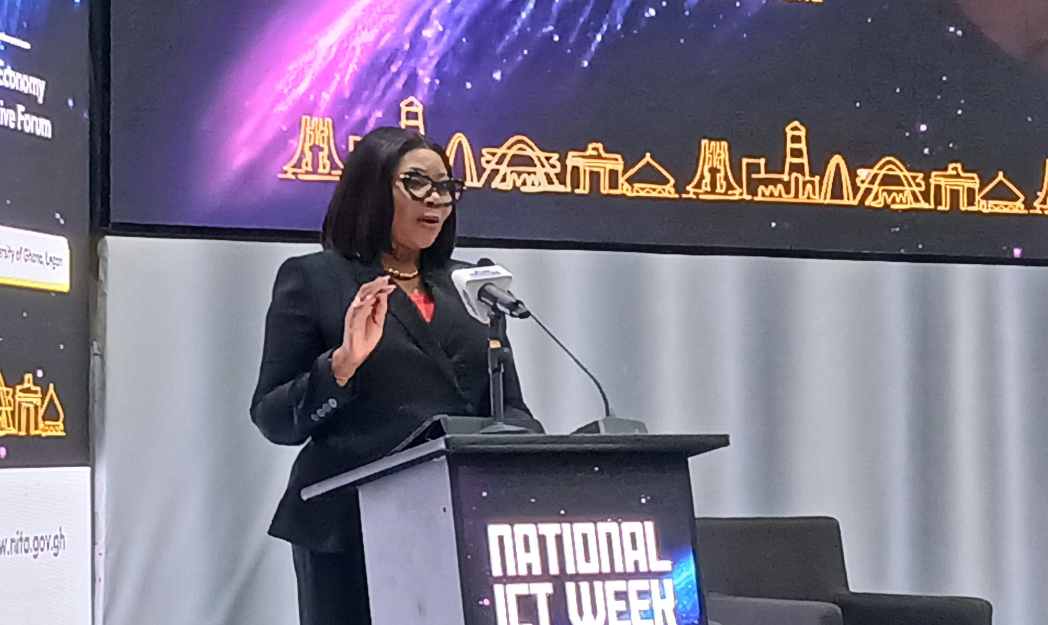
Second Deputy Governor, Mrs Matilda Asante-Asiedu, said Ghana’s strong digital payment infrastructure had not translated into enough affordable and timely credit for businesses. She made the call at the National ICT Week at the University of Ghana. The event was held under the theme, “Innovation At Scale: Creating Opportunities Across Ghana’s Digital Ecosystem.”
Ghana’s annual SME financing gap is estimated at $4.8 billion. According to Mrs Asante-Asiedu, many businesses still struggle to secure loans despite having strong transaction records and regular cash flows. She noted that lenders often rely on traditional collateral such as land, buildings and equipment. As a result, businesses without significant physical assets can struggle to access financing.
Meanwhile, digital transactions have expanded rapidly across the country. In June 2026, mobile money platforms processed about 954 million transactions valued at GH¢493 billion. Registered mobile money accounts also stood at about 84.6 million, although only 26.4 million were active. “Digital payments are no longer a peripheral financial system. It is the backbone of everyday commerce in this country,” Mrs Asante-Asiedu said.
However, she noted that Ghana had yet to develop credit systems that match the strength of its digital payment infrastructure. She urged financial institutions to consider transaction histories, purchase orders, export contracts and receivables when assessing borrowers. According to her, such data can provide useful evidence of a business’s ability to repay loans. To support this shift, the BoG is developing Open Banking and Open Finance frameworks. These frameworks could allow lenders to access relevant financial information with customers’ consent.
Mrs Asante-Asiedu stressed that the success of open banking should be measured by improved access to credit rather than simply the number of digital platforms or APIs created.
She also identified cybersecurity, data governance, regulatory fragmentation and weak last-mile infrastructure as key challenges. Going forward, she said financial inclusion must extend beyond accounts and payments to include affordable access to credit, insurance and investment.
The BoG therefore wants digital financial infrastructure to help viable businesses secure funding based on their actual economic activity.
BoG Targets GH¢4.8bn SME Financing Gap With Digital Data | AviationGhana